by Bill Becker | Oct 19, 2026 | Blog |
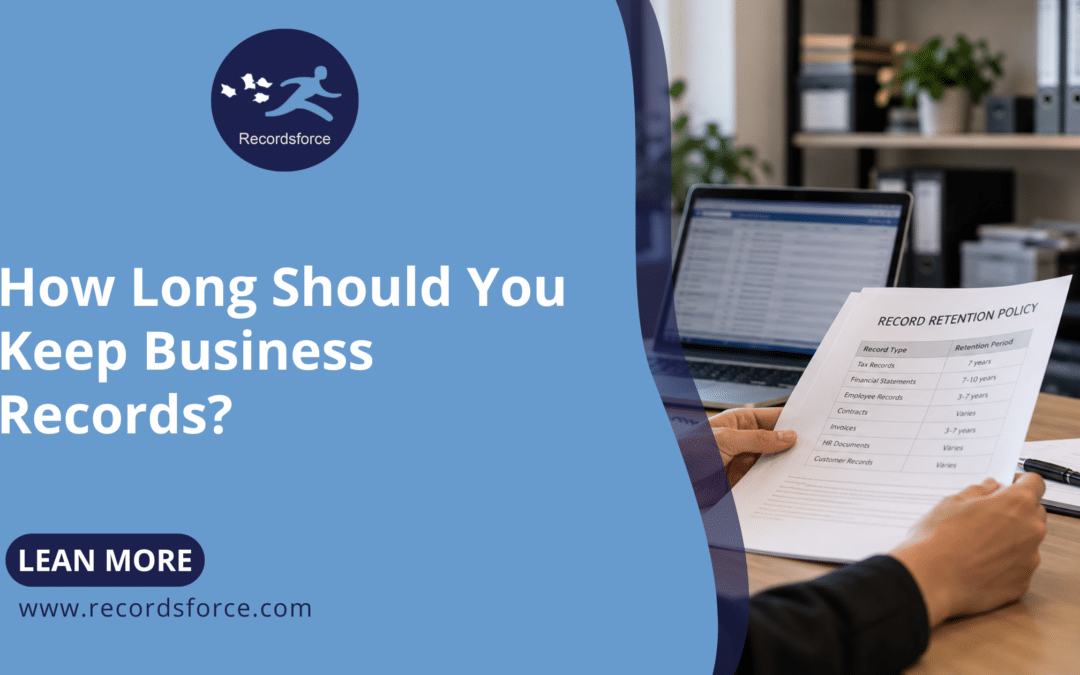
How long should a business keep its records? The answer depends on the type of document, applicable legal requirements, operational needs, and its long-term value to the organization. For many businesses, determining how long to retain documents becomes a priority...
by Katie Day | Oct 12, 2026 | Blog |
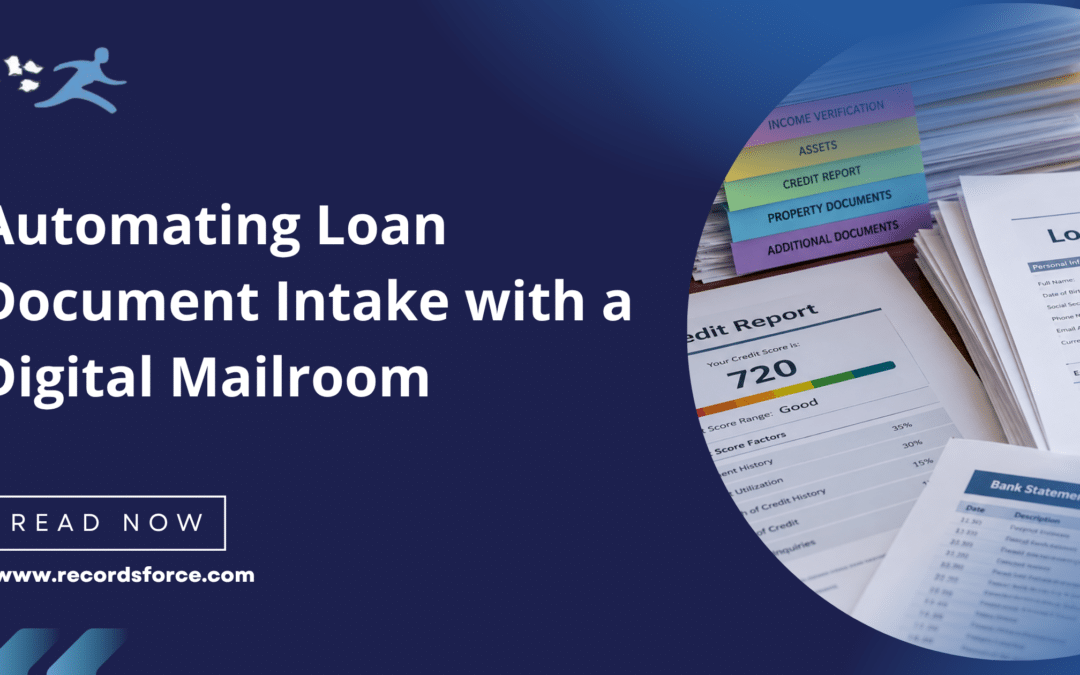
Loan processing depends on documents. Applications, income verification, bank statements, tax forms, appraisals, insurance documents and signed agreements all contain information lenders need to move a loan forward. The challenge is that those documents don’t...
by Katie Day | Oct 5, 2026 | Blog |
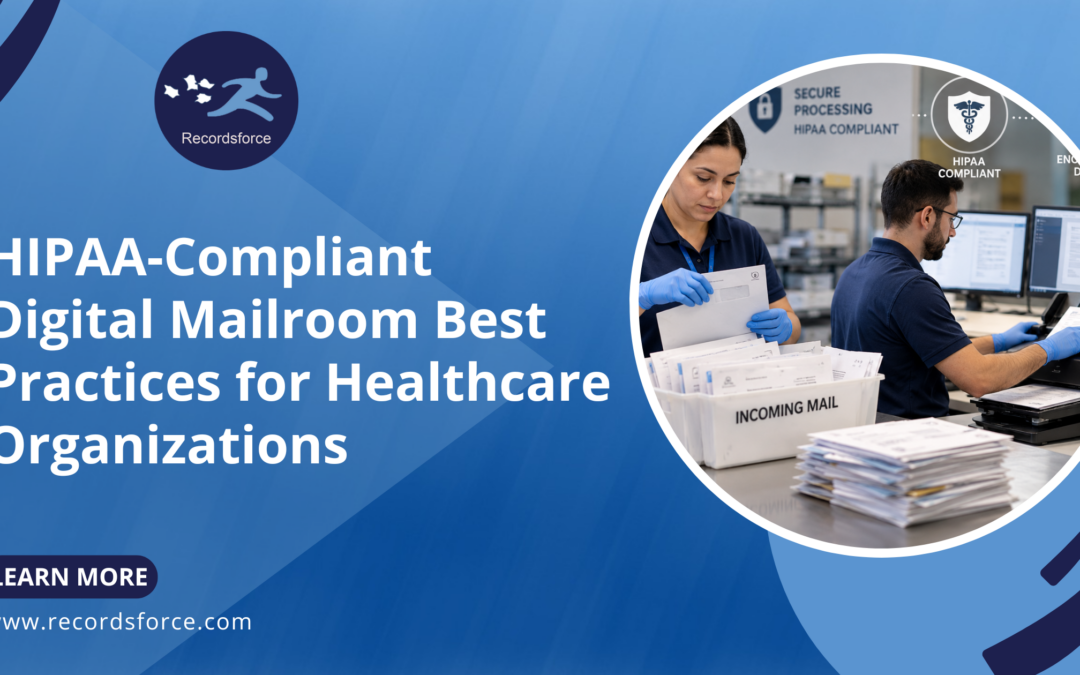
Healthcare organizations receive sensitive information through more channels than ever. Patient correspondence, medical records, claims, referrals, invoices, checks, faxes, emails and attachments can all contain protected health information (PHI) that needs to be...

by Katie Day | Sep 28, 2026 | Blog |
Hospitals receive a constant stream of information every day. Patient correspondence, medical records, insurance documents, referrals, authorization forms, billing paperwork, checks and other documents can arrive through physical mail, email, fax and other channels....
by Katie Day | Sep 21, 2026 | Blog |
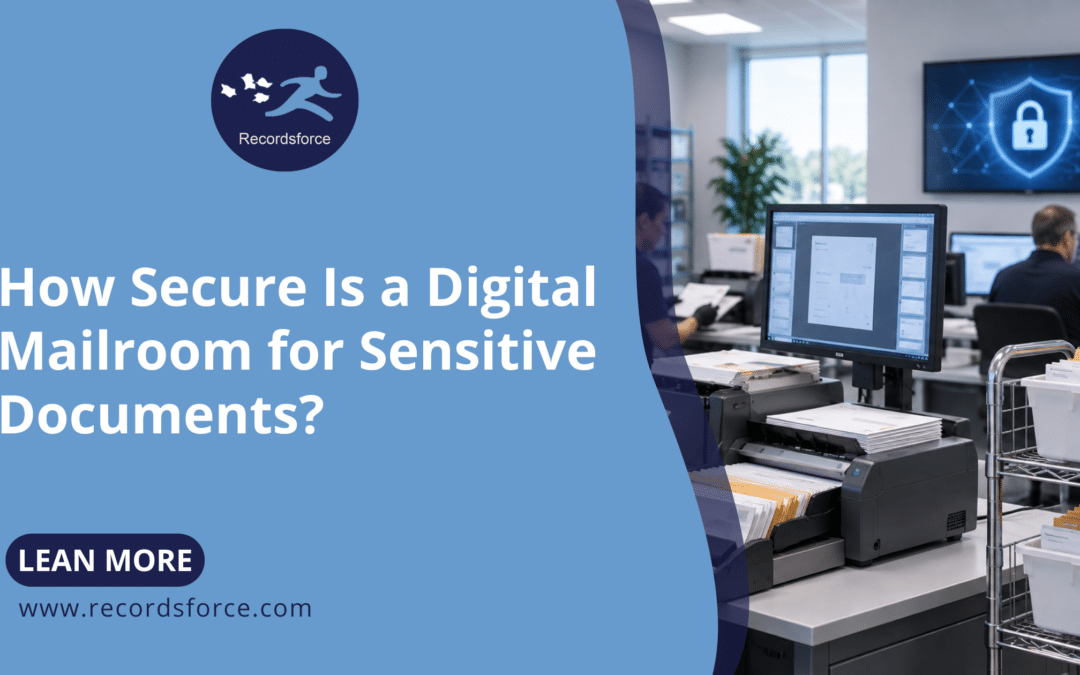
Businesses receive some of their most sensitive information through the mail. Financial records, checks, healthcare documents, employee information, legal correspondence, customer data, contracts, claims, and other confidential documents may all enter an organization...
by Katie Day | Sep 15, 2026 | Blog |
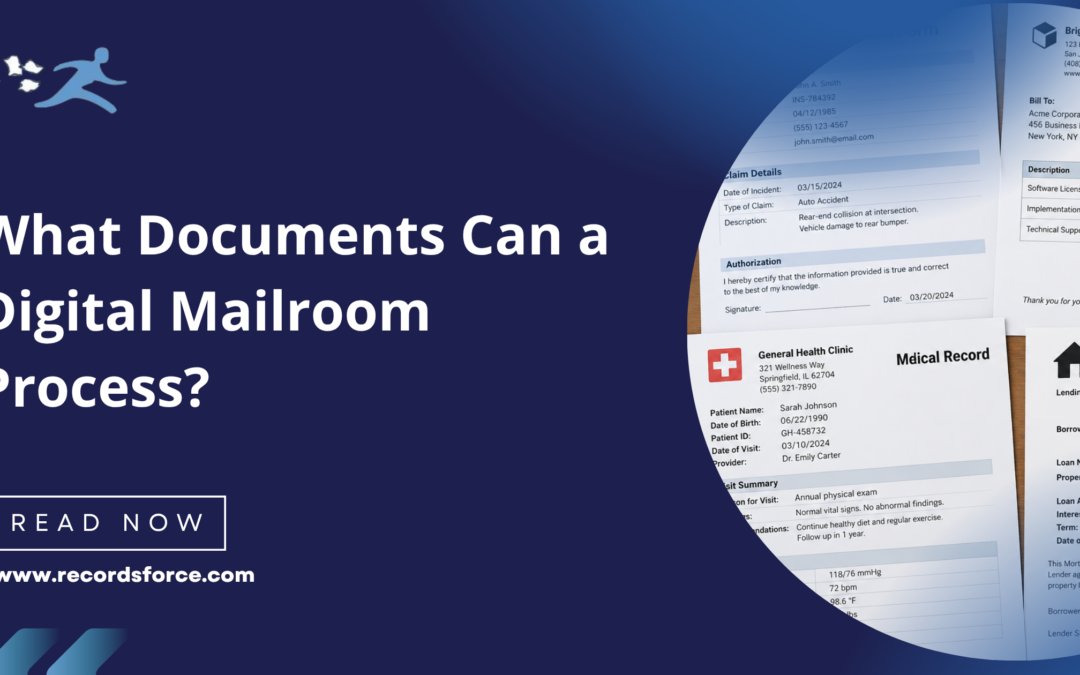
A digital mailroom can process far more than standard letters and envelopes. From invoices and checks to claims, contracts, applications, and confidential correspondence, organizations can digitize many of the documents that arrive through physical mail and route them...